
Do lunges hurt your knees? The ATG split squat might be a good alternative because you can control how deep you go. Your front foot stays planted as your knee moves forward over your toes. The exercise strengthens your quads and allows your legs to work through a greater range of motion.
Start with your front foot elevated, hold onto a sturdy support, and skip the weights. Lower your hips toward your front heel as your knee bends. If you feel pain, reduce the depth or stop the exercise. Learn to control the movement before attempting the full range of motion or adding weight.
How to Do an ATG Split Squat Correctly
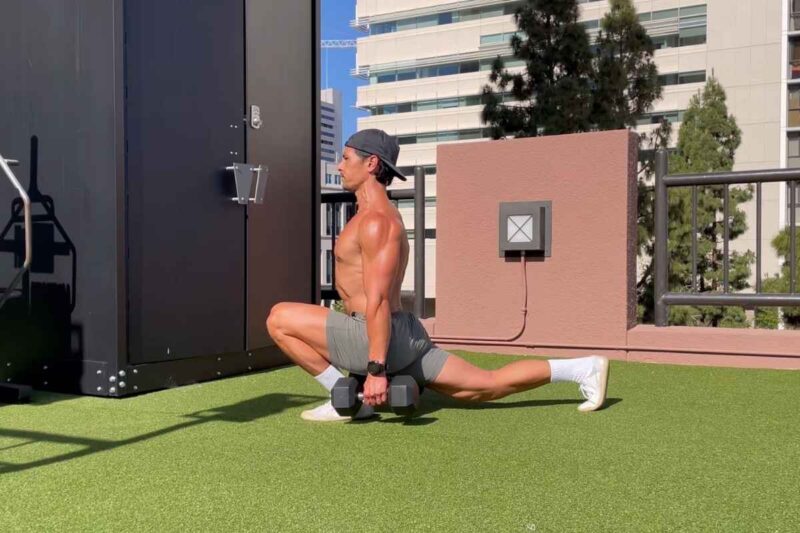
The ATG split squat is a deep variation of the traditional split squat popularized by Ben Patrick, better known as the Knees Over Toes Guy. At full depth, the hamstring of your front leg approaches your calf, and your back leg stays almost straight.
Want to see why this variation is getting so much attention? Watch this video to understand what makes the ATG split squat different and how it can change the way you train your legs and knees.
Step-by-Step Instructions
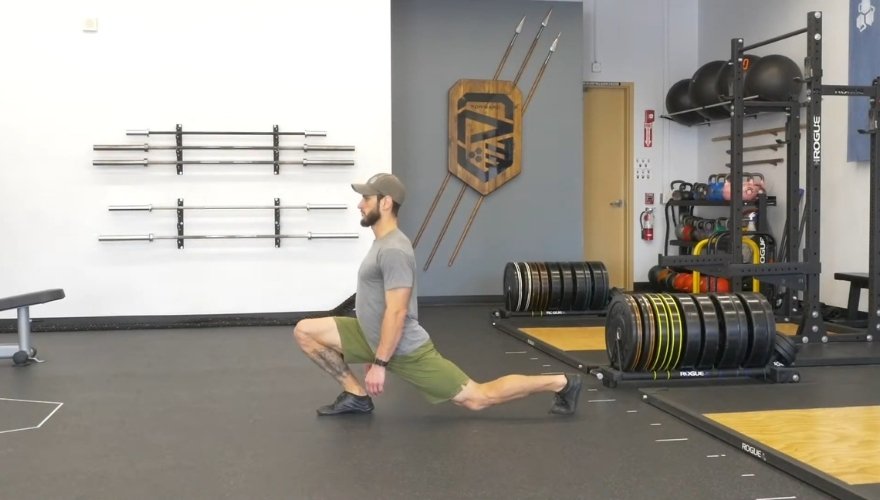
- Get into a split stance. Point your front foot forward and step your back foot far enough behind you to extend your hip. Keep your back heel raised.
- Shift your weight onto your front leg. Keep your torso relatively upright and brace your core. Hold onto a sturdy rack or railing if you need support.
- Drive your front knee forward. Lower your hips toward your front heel, allowing your knee to travel over your toes. Keep your knee aligned with your foot.
- Lower yourself for about three seconds. At full depth, your hamstring should approach your calf. Stop earlier if you cannot control the position.
- Pause briefly at the bottom. Maintain your balance and keep your back leg active. Avoid bouncing out of the bottom position.
- Push through your front leg to stand. Extend your knee under control, then repeat the movement.
Start with five to eight repetitions per leg.
What about your front heel? Try to keep your entire foot supported during the basic variation. If your heel starts lifting, shorten your range of motion or adjust your stance. Shoes with a slightly elevated heel may help if limited ankle mobility makes the position difficult.
Why Might the ATG Split Squat Feel Better Than Regular Lunges?
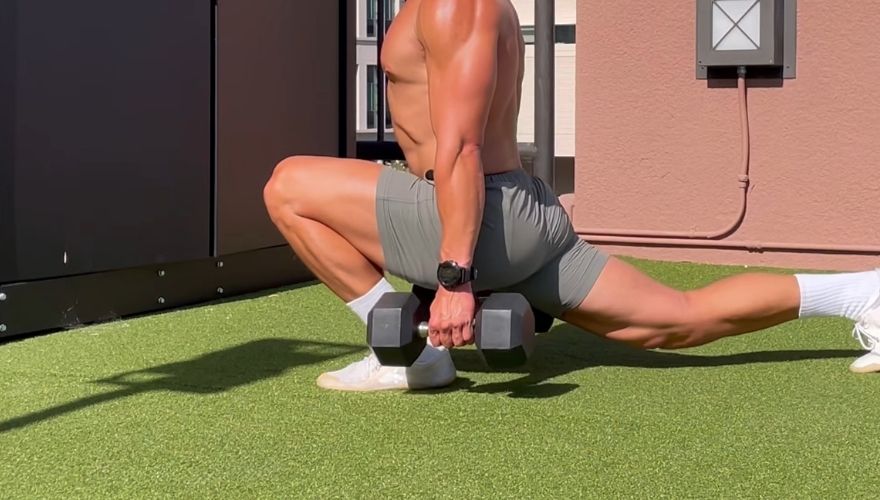
A traditional lunge involves stepping forward or backward before returning to your starting position. The ATG split squat keeps both feet in place throughout each repetition.
A stationary stance makes balance easier to control. You can also hold onto a sturdy support and choose exactly how deep to lower yourself.
However, deep knee flexion increases the mechanical demands on the knee joint. Someone who experiences pain during deep knee bends may find the ATG split squat more uncomfortable than a regular lunge.
Start with an easier variation, especially if you experience pain around your kneecap. The 2024 clinical guidelines for patellofemoral pain support individually adjusted exercises that strengthen the muscles around the knee.
What Muscles Does the ATG Split Squat Work?
Quadriceps: Your quads perform much of the work as you rise out of the bottom position. Greater knee flexion can increase the muscular demands during certain portions of the exercise.
Glutes: Your glutes help extend your front hip as you stand. They contribute to the upward phase, particularly when you use a deeper range of motion.
Your back leg serves a different purpose. Its hip flexors are placed in a lengthened position, which may help improve active hip mobility over time.
The ATG split squat also lets you develop strength and control with your knee deeply bent. Once you master the movement, dumbbells can increase the resistance for muscle growth.
Five Common ATG Split Squat Mistakes
1. Your Front Heel Lifts Too Early
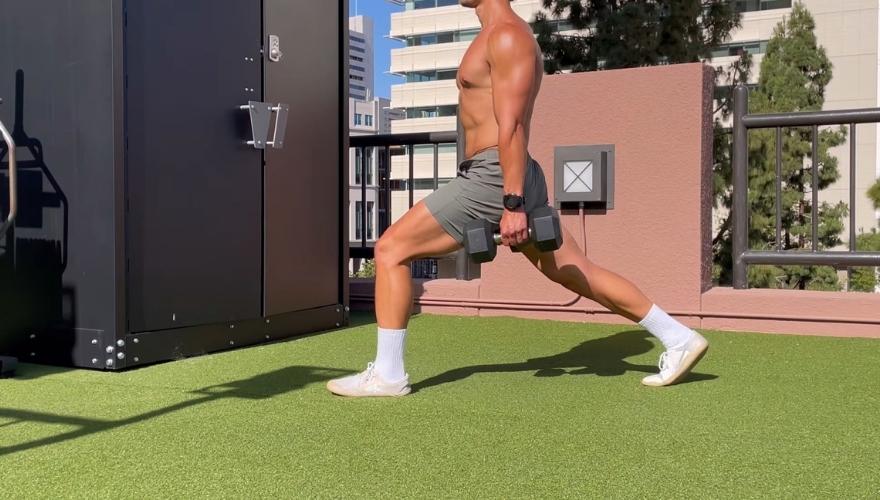
Limited ankle mobility is a common cause. If your foot shifts or you lose balance, reduce the depth and check your stance.
Some advanced variations deliberately allow the heel to rise. Beginners will usually find the exercise easier to control with the entire front foot supported.
2. Your Front Knee Collapses Inward
A small amount of inward knee movement is not automatically dangerous. The concern is losing control of your knee position or experiencing pain.
Reduce your range of motion and keep your knee roughly aligned with your foot. Use a hand support if you cannot maintain a stable position.
3. You Bend Your Back Knee Too Much
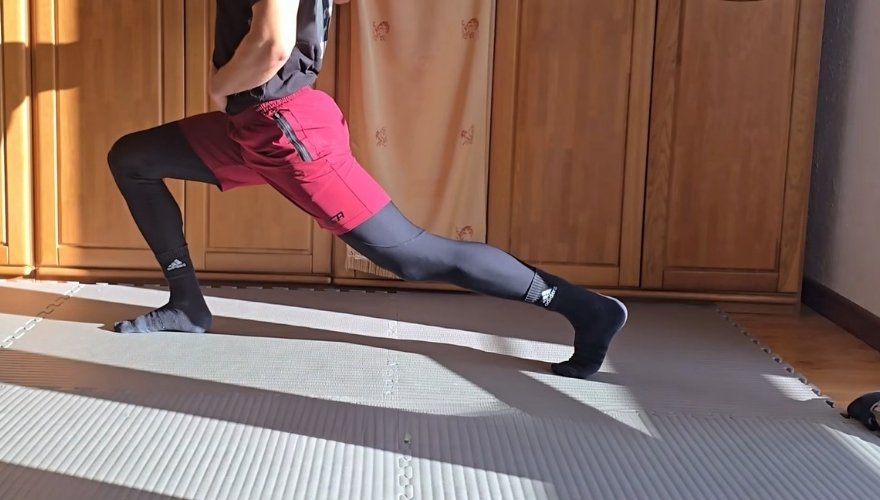
Excessive bending of the back knee reduces the stretch across the front of your rear hip. Try to keep your back leg long and active as you lower yourself.
Avoid forcing your knee completely straight if the position causes hip discomfort.
4. You Drop Into the Bottom Position
Lowering yourself too quickly often leads to bouncing at the bottom. You lose control over how much your knee bends under load.
Use a slower descent and pause briefly before pushing yourself back up.
5. You Add Weight Too Soon
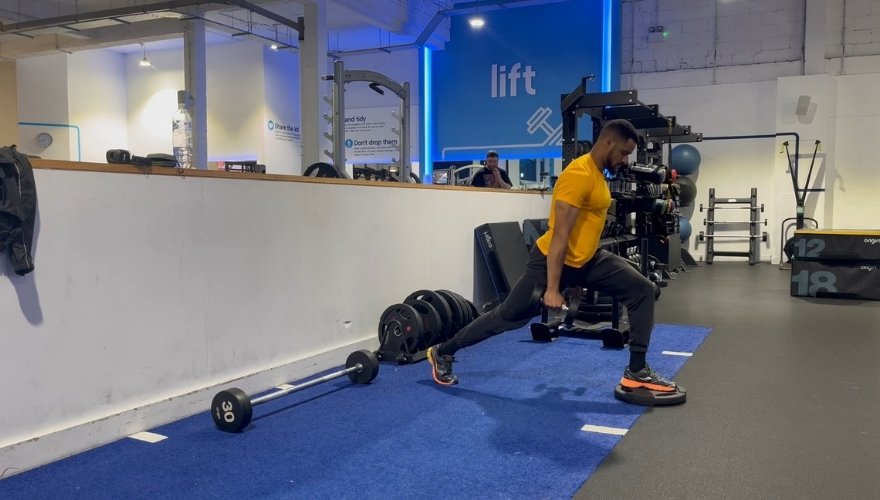
Your body weight alone can provide plenty of resistance in a deep split squat. If you need to swing your torso or push excessively with your back leg, the load is probably too heavy.
Master the bodyweight version before reaching for dumbbells.
How to Make the ATG Split Squat Easier on Your Knees
Ben Patrick explained in his approach to the exercise that he initially used an elevated front foot, approximately 12 inches off the ground, along with assistance from his hands.
An elevated starting position can make the exercise easier to control.
Try the following progression:
- Place your front foot on a sturdy platform approximately 8 to 12 inches high.
- Hold onto a stable support to reduce the load on your legs.
- Perform shallow repetitions without provoking pain.
- Increase the depth once you can control the current range comfortably.
- Gradually reduce the platform height.
If even the easiest variation hurts, choose an exercise that involves less knee flexion until a qualified professional can assess the cause of your pain.
What If You Feel a Strong Stretch in Your Back Hip?
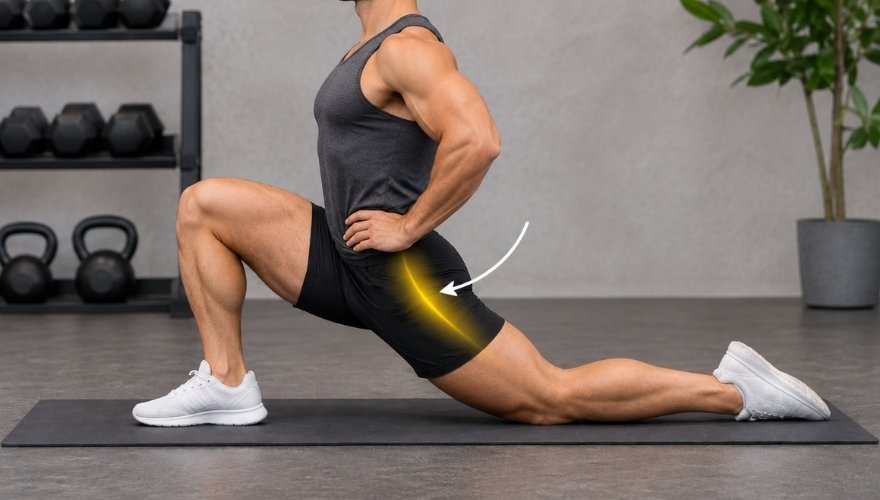
A stretch across the front of your rear hip is expected during proper execution, provided it does not cause sharp pain.
Garage Strength coach Dane Miller described his session with Ben Patrick, during which he performed sets of four to six repetitions. He particularly noticed the intense stretch in the hip flexors of his back leg.
If the stretch feels excessive, bring your back foot slightly closer and reduce the depth. Keep your torso upright without excessively arching your lower back.
When Should You Avoid the ATG Split Squat?
Deep split squats can aggravate existing symptoms in people who have difficulty tolerating loaded knee flexion.
Avoid the exercise until you receive appropriate professional guidance if you have:
- A recent knee injury accompanied by swelling.
- Pain that increases with each repetition.
- A knee that feels unstable or gives way under your body weight.
- A joint that locks during movement.
- Restrictions after recent knee surgery.
For pain around the kneecap, starting with a smaller range of motion may help. The American Physical Therapy Association describes patellofemoral pain as a condition commonly associated with activities such as squats or stair climbing.
The ATG split squat is not a specific treatment for every type of knee pain. If your symptoms persist, a physical therapist can help determine which exercises are appropriate for your condition.
Before You Pick Up Dumbbells
Check if you can perform eight slow repetitions on each leg without losing your balance. Your front foot should remain stable, and your back leg should stay active throughout the movement.
If you need to lift your front heel or suddenly lean backward to stand up, reduce the depth. Stick with bodyweight repetitions until your technique becomes consistent.
Use a range of motion you can control and a level of resistance your knees can tolerate comfortably.